Ardmore sits along the Main Line with many early 1900s stone and frame homes that sit on sloped lots. Heavy summer storms and winter freeze-thaw cycles often send water into basements and crawl spaces along Ardmore Avenue and Haverford Avenue. Our crew at 3600 Drumore Dr responds directly to these properties, extracting water and drying wall cavities before mold sets in the humid air.
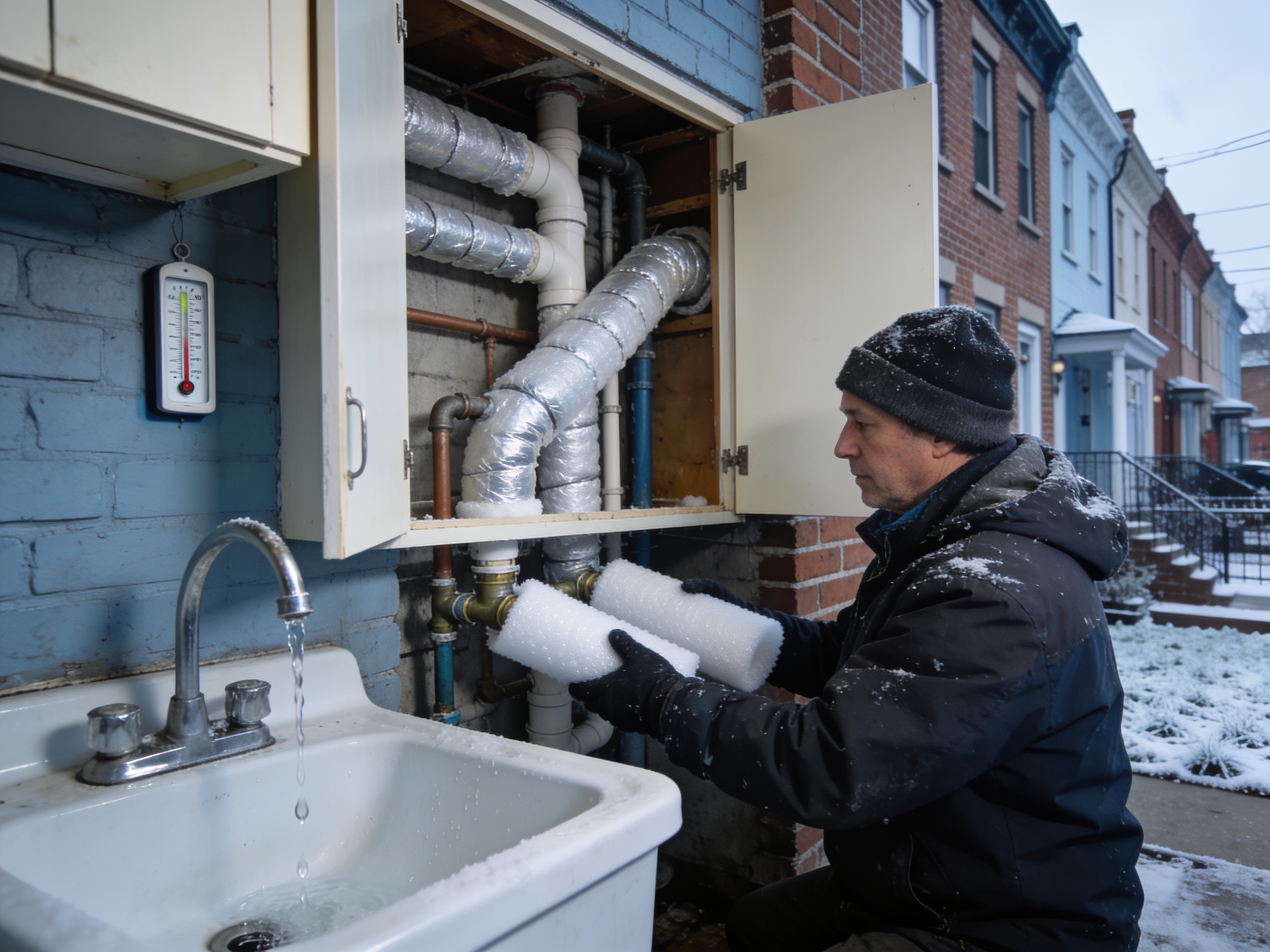
Access to Ardmore via Route 30 and the Paoli/Thorndale line means we reach jobs near Ardmore Park or Lower Merion High School quickly even during rush hour. We stage equipment on narrow driveways common to these older lots and use moisture meters to find hidden water behind plaster walls that newer builds rarely have. Cold winters here freeze supply lines in unheated cellars, so we also handle the follow-up pipe repairs after the initial extraction.
Nearby drainage patterns around the train station and retail blocks on Lancaster Avenue funnel runoff toward lower properties after nor'easters. We route water away from foundations using temporary barriers before permanent grading fixes. This focused approach keeps work contained to the Ardmore block rather than turning into a larger regional project.
Around 24. Ardmore
We regularly work near:
- 📍Ardmore Avenue
- 📍Ardmore Park
- 📍Ardmore Train Station
- 📍Lower Merion High School
- 📍Haverford Avenue
Water Damage Repair in 24. Ardmore — Local Notes
- •Ardmore's early-1900s stone homes often have fieldstone foundations with poor original drainage that lets water pool under finished basements after heavy rains.
- •Narrow driveways and tight side yards along Ardmore Avenue require compact drying equipment rather than full-size dehumidifiers used on newer suburban lots.
- •Winter pipe bursts are common in unheated cellars near the train tracks where temperatures drop faster due to wind exposure off the rail corridor.
- •Runoff from the slight slope toward Lancaster Avenue collects behind retaining walls, so we frequently install French drains on the uphill side of properties.